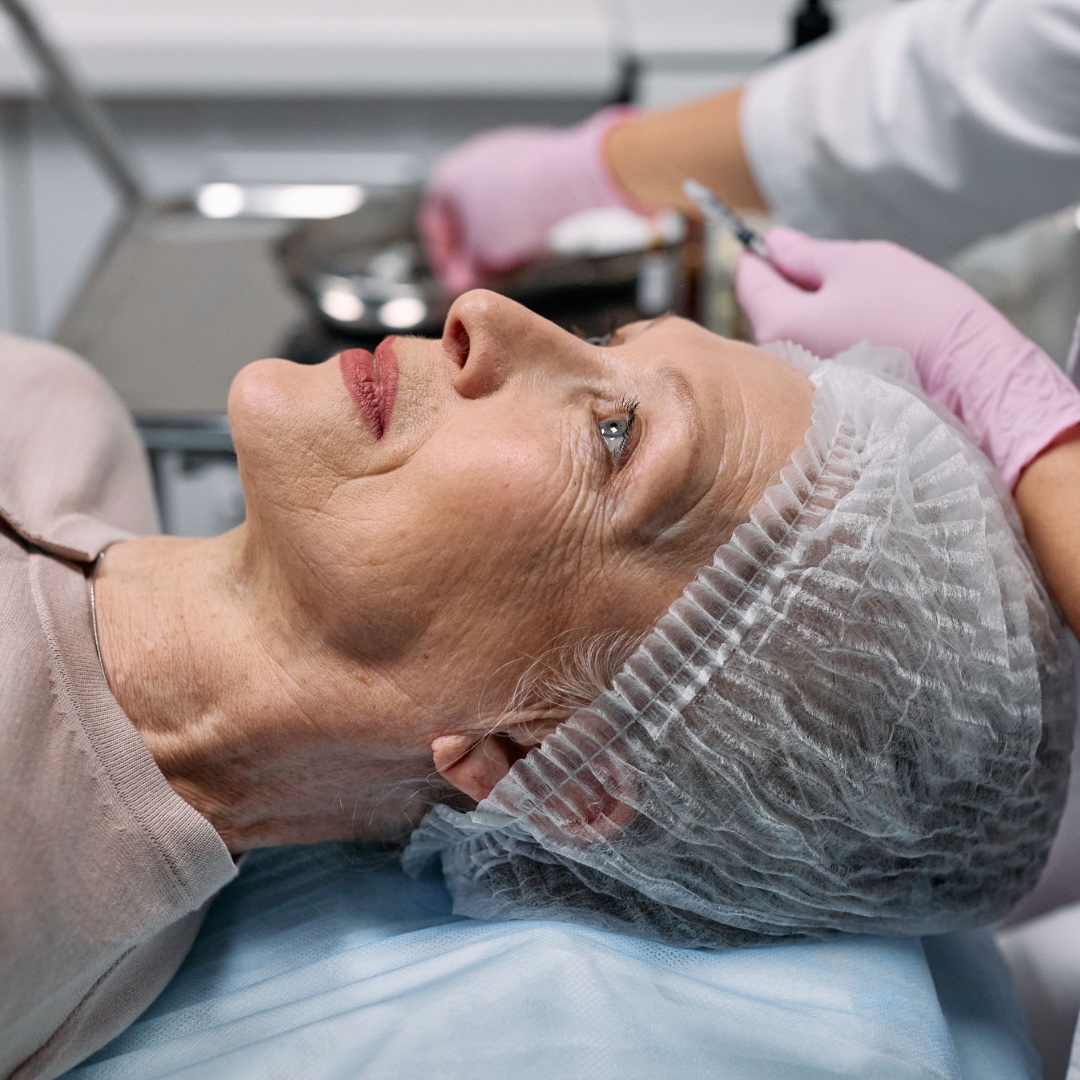
Scowl lines are the lines that appear between the eyebrows, usually when the brows are pulled together. They are often linked to frowning, concentrating or squinting, and they can make the face look tense, stern or angry.
Although the term “scowl lines” may sound quite harsh, these lines are very common. Many people develop them simply because they use the muscles between their eyebrows frequently. Over time, repeated movement in this area can lead to visible lines, even when the face is at rest.
At Azthetics, Botox for scowl lines can be discussed as part of a personalised anti-wrinkle consultation. The aim is to soften the appearance of the lines while keeping your expression natural and balanced.
What Are Scowl Lines?
Scowl lines usually appear in the area between the eyebrows. They may look like one or two vertical creases, or a small group of lines in the centre of the brow area. They are often the same lines people call frown lines or 11 lines.
The word “scowl” is used because these lines can make the face look as though it is frowning, even when you are not. This can be frustrating if your face gives the impression that you are tired, cross or stressed when that is not how you feel.
Scowl lines can be more noticeable in some people because of stronger facial muscles, repeated expressions, skin type, sun exposure, natural ageing or reduced skin elasticity. They can also become more prominent if you spend a lot of time squinting, concentrating or working on screens.
Are Scowl Lines The Same As Frown Lines?
In most cases, yes. Scowl lines, frown lines and 11 lines all usually refer to the vertical lines between the eyebrows.
“Frown lines” is the more commonly used aesthetic term. “11 lines” describes the shape of two vertical lines between the brows. “Scowl lines” is a more everyday phrase that describes the expression these lines can create.
Although the words are different, the concern is usually the same: lines between the eyebrows that make the face look tense or severe. During a consultation, your practitioner will look at the exact pattern of your lines and explain what type of treatment may be suitable.
Why Do Scowl Lines Develop?
Scowl lines develop because of repeated muscle movement. The muscles between the eyebrows contract when you pull the brows together. This can happen when you frown, concentrate, squint, read, drive, focus on a screen or react emotionally.
When you are younger, the skin often smooths out again once the muscle relaxes. As the skin changes over time, it may not bounce back as easily. This can leave lines that remain visible even when the face is relaxed.
There are two main types of lines to consider. Dynamic lines appear when you move your face. Static lines remain visible when your face is at rest. Botox is usually most effective for dynamic lines, although it can also soften the appearance of some static lines by reducing the repeated muscle activity that deepens them.
Can Botox Help With Scowl Lines?
Botox can help soften scowl lines when they are caused by muscle movement between the eyebrows. The treatment works by temporarily relaxing the targeted muscles, reducing the strong pulling action that creates the frown.
When the muscle movement is softened, the overlying skin can appear smoother. The result is often a more relaxed look between the brows.
Botox will not physically fill a line in the way that a dermal filler does. Instead, it reduces the muscle activity that causes the line to form. If scowl lines are very deep or visible when your face is completely still, your practitioner may discuss whether Botox alone is likely to give the result you want, or whether another approach may be worth considering.
Will Botox Stop Me From Frowning Completely?
Botox for scowl lines should be carefully planned. The aim is usually to reduce excessive movement, not remove every trace of expression.
A natural-looking result should allow your face to remain expressive while reducing the strong pull that creates deep lines between the eyebrows. This is why the amount used, the placement of the injections and the assessment of your facial movement all matter.
At Azthetics, your practitioner will discuss the kind of result you are hoping for. Some clients want a very subtle softening, while others would like a smoother result. The most suitable approach depends on your face, your muscle strength and your preferences.
How Long Does Botox For Scowl Lines Take To Work?
You may start to notice a change within a few days of treatment, although the full result usually appears at around two weeks. This is why review appointments are important, as they allow your practitioner to check how the treatment has settled.
Results from Botox usually last around three to six months. After this, movement gradually returns. Some clients choose to maintain their results with regular appointments, while others book treatment when they feel the lines have become noticeable again.
Can Scowl Lines Come Back?
Yes, scowl lines can return as the effects of Botox wear off. This is normal and expected. Botox is a temporary treatment, so it needs to be repeated if you want to maintain the result.
However, regular treatment may help reduce the repeated folding of the skin in this area over time. This can be particularly useful for people whose scowl lines are caused by strong muscle movement.
Your practitioner will be able to advise how often treatment may be appropriate for you. The goal should be a sensible maintenance plan, not over-treatment.
When Should You Consider Treatment For Scowl Lines?
You may wish to consider a consultation if scowl lines are making you look more tired, tense or angry than you feel. You may also want advice if you have noticed the lines becoming deeper, or if they remain visible when your face is relaxed.
A consultation does not mean you have to go ahead with treatment. It simply gives you the opportunity to understand what is causing the lines and what your options are.
Botox For Scowl Lines At Azthetics
At Azthetics, Botox for scowl lines is carried out with a careful, personalised approach. Your practitioner will assess your facial movement, explain what Botox can and cannot achieve, and recommend a treatment plan based on your features.
If you are concerned about scowl lines, frown lines or 11 lines, book a consultation at Azthetics to find out whether Botox could help soften the area and create a more relaxed, natural-looking result.